
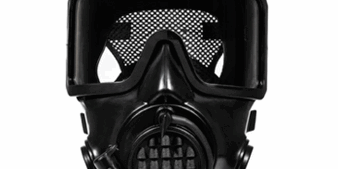
My Experience with Gas Masks
By Ron Holmes
Introduction to Gas Masks
You know what sucks…. besides socialism, communism, cancer, being homeless, and a man wearing Birkenstocks (yep, I said it) – not being able to breathe when you’re in a contaminated area. I’m talking about having a piece of gear that’s designed for you to breathe in a contaminated area but restricts your abilities to perform.
Military Background
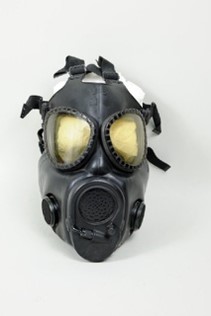
I went to MCRD (Marine Corps Recruit Depot) Parris Island, SC in November 1989. Shortly after, I was introduced to the world-famous and dreaded GAS CHAMBER. We had our issued M17, dual filter mask. Prior to the chamber, we had accumulated 1,000’s of reps donning the M17 from its canvas container worn on the left hip. This mask had 2 filters on the inside of the mask. It had a drinking tube, tinted outer sunglass pop-on lens, the chemical protective hood, and was able to accept prescription glasses mounted on the inside of the mask.
Issues with Early Masks
The prescription inserts had 3 metal forks that inserted into female holes in the mask. Occasionally, the inserts would come undone. When you properly donned a mask, your eyes were closed. This would result in the occasional getting stabbed in the eye trying to fix it while holding your breath.
This mask gave me nightmares. During the Gulf War, there were times we slept in these masks. The filters were on the INSIDE OF THE MASK. In the event of prolonged exposures, you would need to change into a new mask, or hold your breath, remove your mask, pull out the filters (which wasn’t easy), replace the filters, and then don the mask.
Evolution of Gas Masks
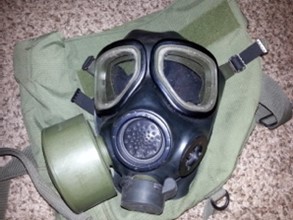
As I moved on into Force Reconnaissance, we were issued the M40 mask, introduced in 1992. This mask had an improved design with an external filter that could be placed on the left or right side depending on the individual’s primary shooting side. Some of the same support items were retained, but the prescription inserts were upgraded. They removed the forks and added circular metal springs that snapped into the lens pockets, making it much safer for the user.
Around 1996, we were issued the US 87 MSA 5229 Gas mask. We were all very excited as these were full-face masks with a single or dual filter option. They were lighter and better fitting. This one had an external face shield option – clear, yellow, and tinted. These were an upgrade from previous models, and we felt cooler because none of the other Marines had them.
Challenges with Traditional Gas Masks
With all the physical changes and improvements made, they all still had one thing in common: they sucked to breathe in when you were moving with a purpose at an elevated heart rate. They were also very difficult to communicate in. To the point where you would get pissed because you had to yell to be heard. This created a downward spiral effect – you yelled louder, they yelled louder, you breathed harder, you got angry because everyone’s yelling, and then you just stopped talking and used hand and arm signals, and a lot of middle fingers and grabbing of your nuts.
The Importance of Breathing
Breathing is required, plain and simple – the inhalation and the exhalation of air. Physical exertion, carrying 100’s of pounds of equipment, can all cause restricted breathing. When you’re in an occupation that requires the use of a gas mask, you need to be in shape and get a lot of practice.
Introduction to MIRA Gas Masks
A few years ago, I met the owners of MIRA Gas Mask at Shot Show. We chatted about training and their line of products. To be honest, I wasn’t super excited about getting back into the mask, but I saw the need for it. I had to join the Marines to learn/experience gas mask training. With the ever-changing world, having a gas mask on hand is a great idea, especially when you have a wife who’s a shooter and a very capable now 8-year-old – it’s time to upgrade our protective posture.
Training with MIRA Masks
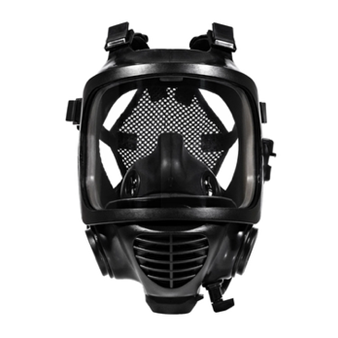
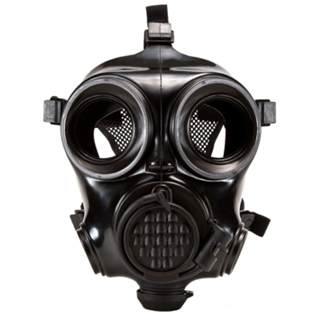
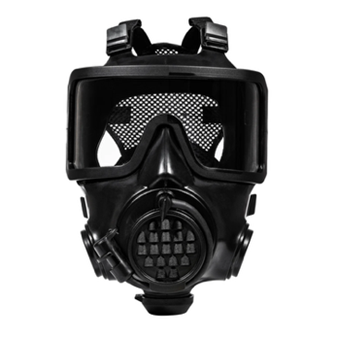
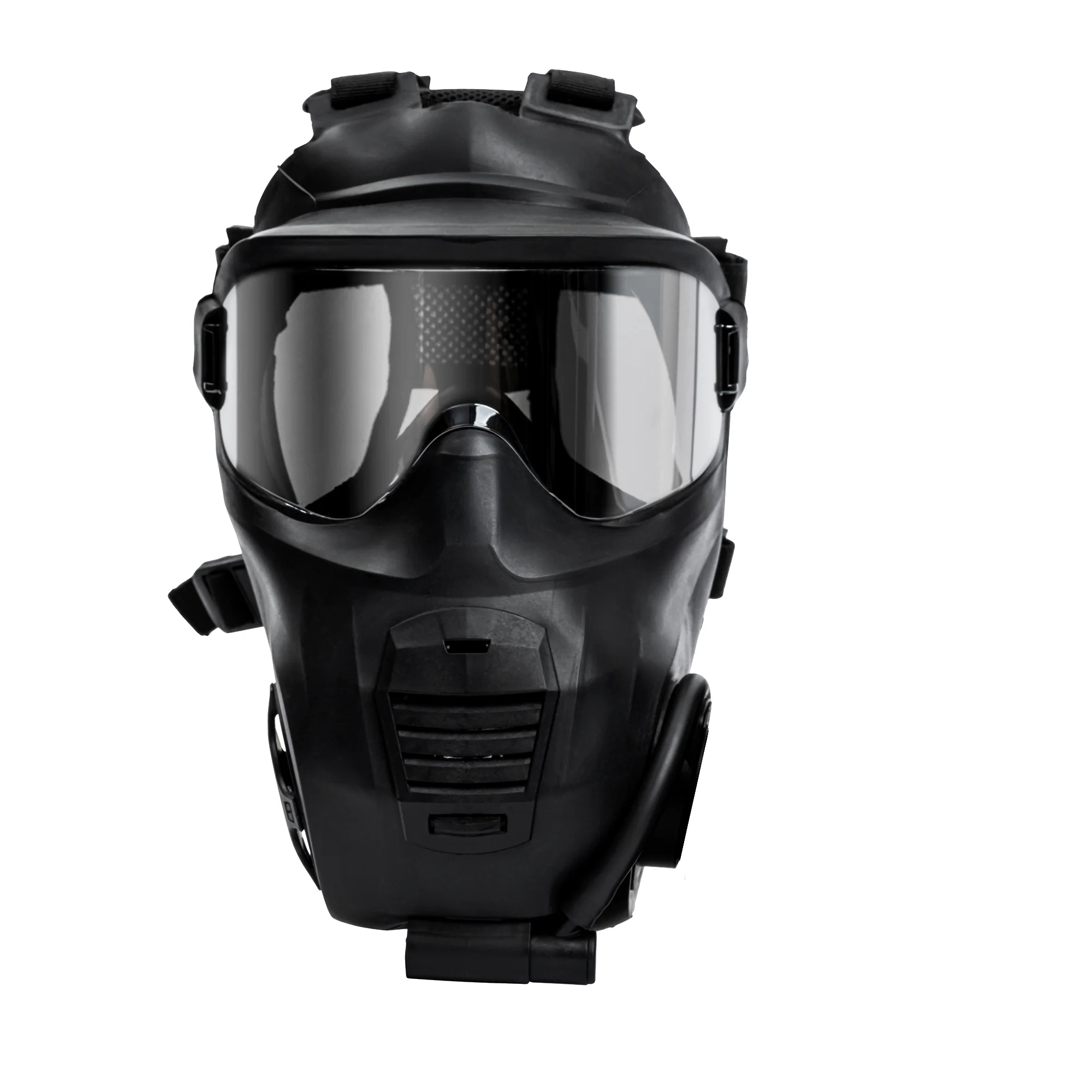
MIRA sent me several gas masks to test, including CM-6M, CM-7M, and CM-8M, some kids’ masks, and a few other prototypes. I put the gas mask on and rode my bike to the gym. The entire ride, I was in my head thinking, “I cannot believe how bad this is going to suck.” About 10 minutes into the class workout, I noticed it was easier to breathe than expected. I started to push harder and was impressed by how fast I could recover and catch my breath.
MIRA Mask Features
The MIRA products are straightforward and simple to use. You put all masks on the same way – insert chin, then forehead, and then pull the head harness over your dome. Once the MIRA mask is on, you immediately notice the upgrades from the previously issued gear. The field of view is instantly greater, creating a seal is easier, and breathing is improved.
Training Experience with MIRA
We scheduled a Mitchell Defense/RYKER USA Class and introduced the students to the MIRA line of protective masks and shooting. The students with no previous mask use were like “ok, I’m here to learn.” I had never taught a gas mask course before, but I had thousands of training hours in them.
The MIRA masks made a significant difference. Not only could I demonstrate the course of fire/shooting drills, but I could talk loud enough to be heard and understood without giving myself an aneurism. I found myself keeping the mask on for the duration of the course, which is a testament to the technology that MIRA puts into every mask.
Conclusion
MIRA is the industry standard for protective masks, accessories, filters, and training. They also make masks for other industries. The youth line of products is incredible, with scenario training that was amazing for them and their families.
Affiliate Link Disclaimer
Some links in our articles may be affiliate links. This means if you click on the link and make a purchase, we may receive a commission at no extra cost to you. We only recommend products and services we fully support and believe will add value to our readers. Your trust is important to us, and we strive to maintain transparency in all our content.
Why We Include Affiliate Links
We include affiliate links to help support the maintenance and growth of our content. This enables us to continue providing high-quality, informative articles and in-depth gear reviews without having to rely on receiving free products. The commissions we earn help us sustain our operations and maintain our independence as reviewers.
